
The Hydrogen Economy 2026: Why Oil Giants Are Betting $500 Billion
💧 The Color of Money is Blue (and Green)
While the consumer world spent the last decade watching Tesla and obsessing over lithium-ion batteries, the industrial world was quietly building a different future in the background.
2020 was the year of the Electric Vehicle (EV).
2026 is officially the year of the Hydrogen Economy.
And shockingly, this revolution wasn't led by a scrappy Silicon Valley startup or a tech disruptor. It was conditioned, funded, and executed by the very companies that built the fossil fuel age: Big Oil.
🏭 The Great Pivot: Adapt or Die
Why would an oil company kill its own product? Because they see the writing on the wall better than anyone else.
* The Physics Problem: Batteries are fantastic for sedans and scooters. But for heavy industry, they hit a wall of physics. You cannot fly a Boeing 777 across the Atlantic on batteries; the battery bank required would weigh more than the plane itself. You cannot power a blast furnace for steel manufacturing with AA batteries.
* The Molecular Solution: Hydrogen ($H_2$). It has the energy density of jet fuel but emits nothing but pure water vapor when burned. It is the only molecule capable of decarbonizing the "hard-to-abate" sectors: shipping, aviation, and heavy manufacturing.
💰 The $500 Billion Bet
In Q1 2026, the comprehensive spending reports shocked Wall Street analysts. For the first time in commercial history, major Western energy firms spent more capital on renewables/hydrogen infrastructure than on new oil exploration.
* Saudi Aramco: Announced a staggering $120B investment in Blue Hydrogen facilities in the Neom desert mega-city. They aim to become the world's largest exporter of clean hydrogen, replacing their oil dominance.
* Shell: Is currently converting 40% of its European refineries (starting with the massive Rotterdam complex) into hydrogen electrolysis plants. The pipes that once carried oil now carry condensed hydrogen.
* BP: Launched the first commercial "Hydrogen Corridor" for freight trucking across the UK and Germany, building filling stations every 50 miles.
> "We are not an oil company anymore. We are an energy transition company," declared the CEO of Shell at the Davos 2026 summit. "We are in the business of selling molecules, not just carbon. And Hydrogen is the molecule of the 21st century."
🟢 Green vs. 🔵 Blue: The Ideological Civil War
Not all hydrogen is created equal. The scientific community and environmentalists are currently engaged in a bitter war over the "color" of the hydrogen being produced. This distinction determines billions in government subsidies.
1. Green Hydrogen (The Holy Grail)
* **The Process**: You take pure water ($H_2O$) and zap it with massive amounts of renewable electricity (Solar/Wind) in a machine called an **Electrolyzer**. This splits the Hydrogen from the Oxygen. * **Emissions**: Zero. It is perfectly clean energy stored in liquid form. * **The Hurdle**: It is expensive ($3.00/kg), roughly double the cost of fossil fuels, though the price is dropping fast as China floods the market with cheap electrolyzers.2. Blue Hydrogen (The Compromise)
* **The Process**: You take natural gas (Methane/$CH_4$) and "cook" it with high-pressure steam. This releases the hydrogen but also creates Carbon Dioxide ($CO_2$). * **The Trick**: The carbon byproduct is captured and buried deep underground in depleted oil wells using **Carbon Capture & Storage (CCS)** tech. * **The Controversy**: Critics argue Blue Hydrogen is just a greenwashing tactic by oil companies to keep pumping natural gas. Proponents argue it is a necessary "bridge fuel" to build infrastructure until Green Hydrogen becomes cheap.🇯🇵 The Japan Strategy: The Imports Era
While Europe argues about color codes, Japan is simply importing energy. Lacking oil, gas, or land for massive solar farms, Japan has positioned itself as the First Hydrogen Society.
The *Suiso Frontier*, the world's first liquid hydrogen carrier ship, now makes regular runs between Australia and Kobe, Japan. It effectively transports Australian sunshine (converted to hydrogen) to Japanese power plants.
Toyota, having famously bet against full EVs in favor of Hybrids and Hydrogen, is finally feeling vindicated—not in the passenger car market, but in heavy logistics. Their fuel-cell buses, forklifts, and semi-trucks now dominate supply chains across Asia.
✈️ The Traveler's Perspective: Change is in the Air
For the average person, this shift means change is literally in the air.
* Hydrogen Aviation: The first commercial short-haul hydrogen flights (London to Paris, Los Angeles to San Francisco) launched commercially this year by Airbus. The planes look different—bulkier fuselages to store the fuel tanks—but they are quieter and emit zero contrails.
* The Silent Highways: The highway hum is disappearing. Hydrogen fuel-cell trucks are replacing diesel monsters. Crucially for truckers, they fill up in 10 minutes (unlike the 2-hour wait for charging an electric semi) and can drive 800 miles on a tank. Logistics companies like UPS and FedEx are converting their entire long-haul fleets.
🏁 Conclusion: The New Barrel
The Hydrogen Economy growth of 2026 proves that the energy transition isn't just about putting solar panels on suburban roofs or driving a Tesla. It's about replumbing the entire industrial veins of the planet.
Oil is slowly dying. It won't happen overnight; the infrastructure is too vast. But the patient is terminal. The age of combustion is ending. Long live the Molecule.
❓ Frequently Asked Questions (FAQ)
Is Hydrogen dangerous? What about the Hindenburg?
This is the #1 myth stopping adoption. **The Reality:** Modern hydrogen tanks are made of wound carbon fiber and are literally bulletproof (tested with .50 caliber rounds). In a crash, hydrogen escapes upwards into space instantly (it is 14x lighter than air), unlike gasoline which pools on the ground and burns the passengers. Statistically, hydrogen cars are safer than gasoline cars.Can I buy a Hydrogen car for my commute?
**Technically yes** (Toyota Mirai, Hyundai Nexo), but **you probably shouldn't.** For passenger cars, Battery EVs (Tesla, BYD) have won the war. Charging at home is just too convenient. Hydrogen infrastructure is being built for industrial hubs (ports, warehouses, truck stops), not suburban driveways. Stick to your EV for the commute; rely on Hydrogen for your Amazon delivery.Will this lower gas prices?
**No.** In fact, the opposite is happening. As investment shifts away from oil extraction to hydrogen infrastructure, the supply of oil will tighten, likely keeping gas prices high permanently. The message from the market is clear: The era of cheap fossil fuel is ending by design.About the Author

Elena Corves
Dr. Elena Corves is a former Wall Street quantitative analyst who now leads the Business & Economy desk at Global Brief. She is a renowned voice on the 'End of Cash' transition, Central Bank Digital Currencies (CBDCs), and the emerging fractional gig economy. Elena's writing cuts through the jargon of high finance to reveal the human impact of macroeconomic trends. She is particularly focused on the rise of fintech in developing markets and the shifting dynamics of global trade routes. She holds a PhD in Economics from the London School of Economics.
Global Brief Intel
Source:
Continue Reading

Africa Fintech Boom: The Wakanda Effect in 2026
Nigeria's Flutterwave becomes the continent's first 'Decacorn' ($10B+ valuation) after IPO.

Amazon 'Prime Air' Goes Global: Drone Delivery Launches in 50 Cities
Amazon has officially expanded its Prime Air drone delivery service to 50 major metropolitan areas worldwide, including London, Tokyo, and New York.
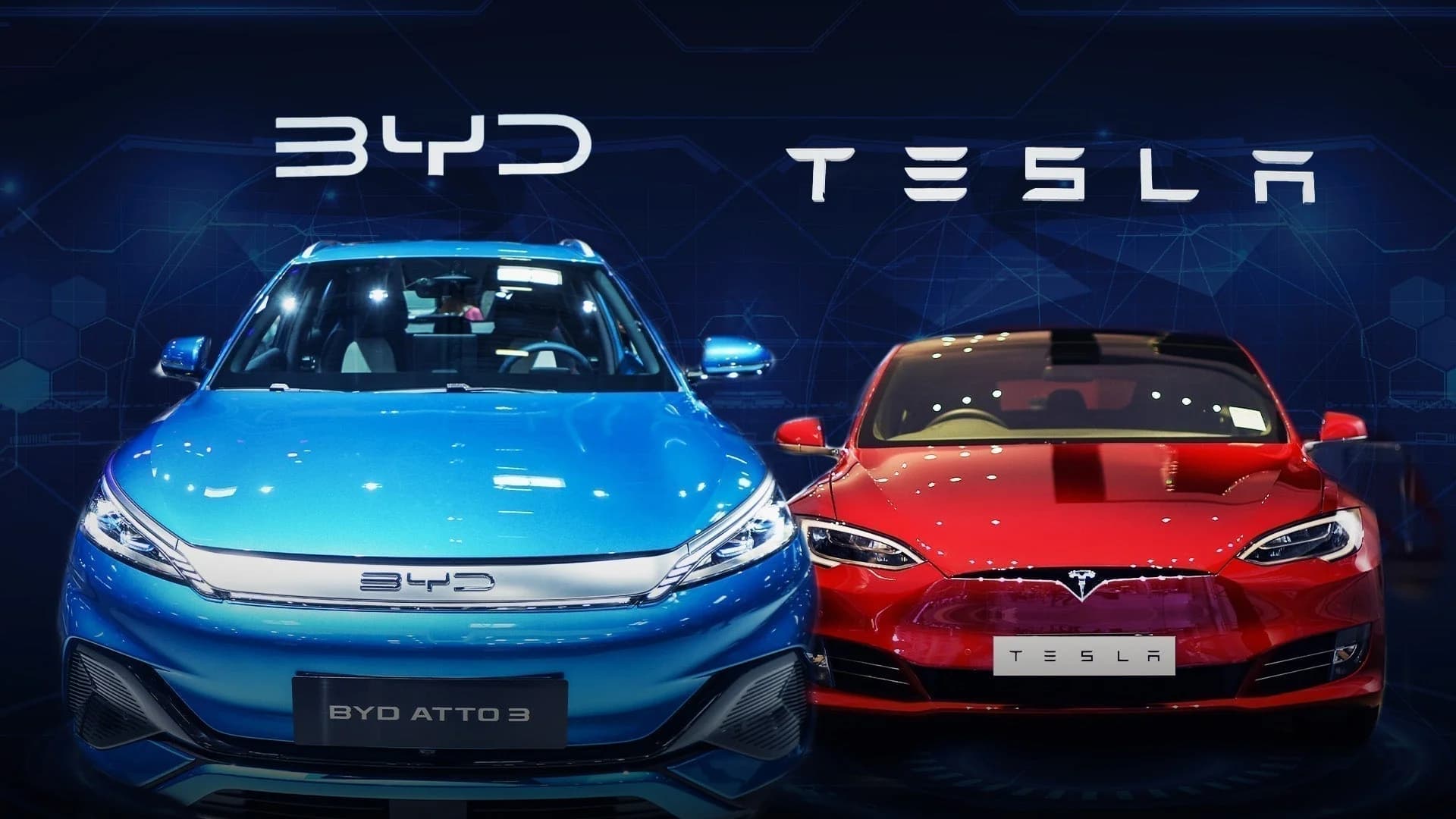
The $25,000 EV War: How Tesla and BYD Are Flooding the Market in 2026
Tesla officially launches the highly anticipated 'Model 2' (Code Name: Redwood) at a base price of $24,990, finally reaching price parity with the Toyota Corolla.