
The Right to Go Dark: EU's 'Digital Detox' Bill Bans After-Hours Work Emails
Silence is Golden (and Mandatory)
At 6:01 PM in Paris, Berlin, and Rome, a strange thing happens. The servers stop.
Under the newly ratified "Digital Health & Autonomy Act" (DHAA), effective today across the European Union, it is now illegal for companies with more than 50 employees to send, forward, or expect a reply to work-related communications outside of contracted hours.
Violators face fines of up to 4% of their annual turnover—the same penalty tier as GDPR violations. The message from Brussels is clear: Your boss does not own your evening.
The Burnout Epidemic
| Region | After-Hours Email Policy | Avg. Burnout Rate |
|---|---|---|
| European Union | Illegal (Fines up to 4%) | Declining (18%) |
| United States | Unregulated / Expected | Critical (45%) |
| Japan | Voluntary Limits (Karoshi Reform) | High (35%) |
| China | 996 Culture (Illegal but Common) | Very High (52%) |
The law comes after a decade of rising burnout rates. In 2025, the WHO declared "Digital-Induced Anxiety" the number one cause of workplace disability in the Western world.
"We became a society of on-call doctors," says Dr. Hans Gruber, MEP and architect of the bill. "But we are not saving lives. We are selling spreadsheets. The human brain was not designed to be pinged with cortisol spikes every 15 minutes for 16 hours a day."
Tech Pushback and Workarounds
Silicon Valley is furious. Tech giants warn that this will make Europe "uncompetitive" in a 24/7 global economy. "Innovation doesn't watch the clock," tweeted Elon Musk freshly from X-HQ.
However, some companies are adapting creatively. Microsoft Europe has introduced "The Twilight Mode" for Teams: automatically queuing all messages sent after 6 PM and delivering them in a batch at 9:00 AM the next day. It’s not just a feature; it’s now a compliance requirement.
The Rise of 'Dumbphone' Tourism
Parallel to the legislation is a cultural shift. The hottest travel trend of 2026 isn't a destination; it's a device. Or rather, the lack of one.
"Nokia Nostalgia" packages are selling out across Ibiza and Mykonos. Hotels maintain strictly Faraday-caged zones where smartphones get zero signal. Upon check-in, guests swap their iPhone 17s for a brick-like Nokia 3310 re-issue—capable only of calls, Snake II, and grainy pixel photos.
> "I touched grass," says 24-year-old influencer Chloe V. "Like, actually touched it. I didn't post it. I just felt it. It was terrifying and then it was amazing."
Economic Implications
Economists are split. Detractors predict a 15% drop in productivity for multinational firms operating across time zones. Supporters point to trials in Sweden where a 4-day, disconnect-enforced work week led to a 20% *increase* in output because employees were actually rested.
One thing is certain: The era of the "Always On" hustle culture is hitting a legal firewall. Europe has decided that Mental Health is infrastructure, and it needs to be protected just as fiercely as the power grid.
Future Outlook
Will the US follow suit? Unlikely in the short term, but American unions are watching closely. If the European experiment succeeds in lowering healthcare costs and boosting happiness without crashing the economy, the "Right to Disconnect" might just become the next universal human right.
About the Author

Elena Corves
Dr. Elena Corves is a former Wall Street quantitative analyst who now leads the Business & Economy desk at Global Brief. She is a renowned voice on the 'End of Cash' transition, Central Bank Digital Currencies (CBDCs), and the emerging fractional gig economy. Elena's writing cuts through the jargon of high finance to reveal the human impact of macroeconomic trends. She is particularly focused on the rise of fintech in developing markets and the shifting dynamics of global trade routes. She holds a PhD in Economics from the London School of Economics.
Global Brief Intel
Source:
Continue Reading

Africa Fintech Boom: The Wakanda Effect in 2026
Nigeria's Flutterwave becomes the continent's first 'Decacorn' ($10B+ valuation) after IPO.

Amazon 'Prime Air' Goes Global: Drone Delivery Launches in 50 Cities
Amazon has officially expanded its Prime Air drone delivery service to 50 major metropolitan areas worldwide, including London, Tokyo, and New York.
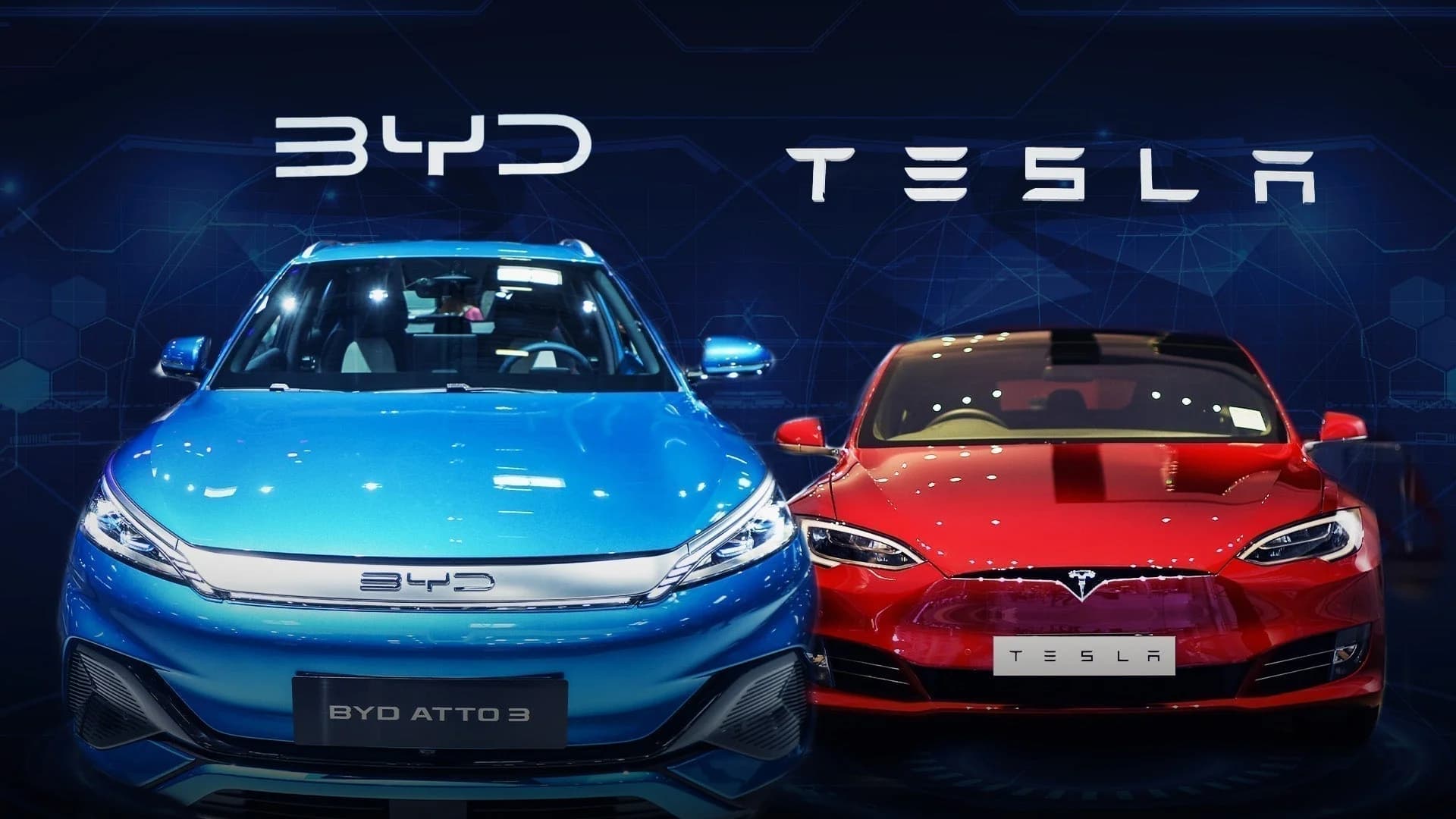
The $25,000 EV War: How Tesla and BYD Are Flooding the Market in 2026
Tesla officially launches the highly anticipated 'Model 2' (Code Name: Redwood) at a base price of $24,990, finally reaching price parity with the Toyota Corolla.