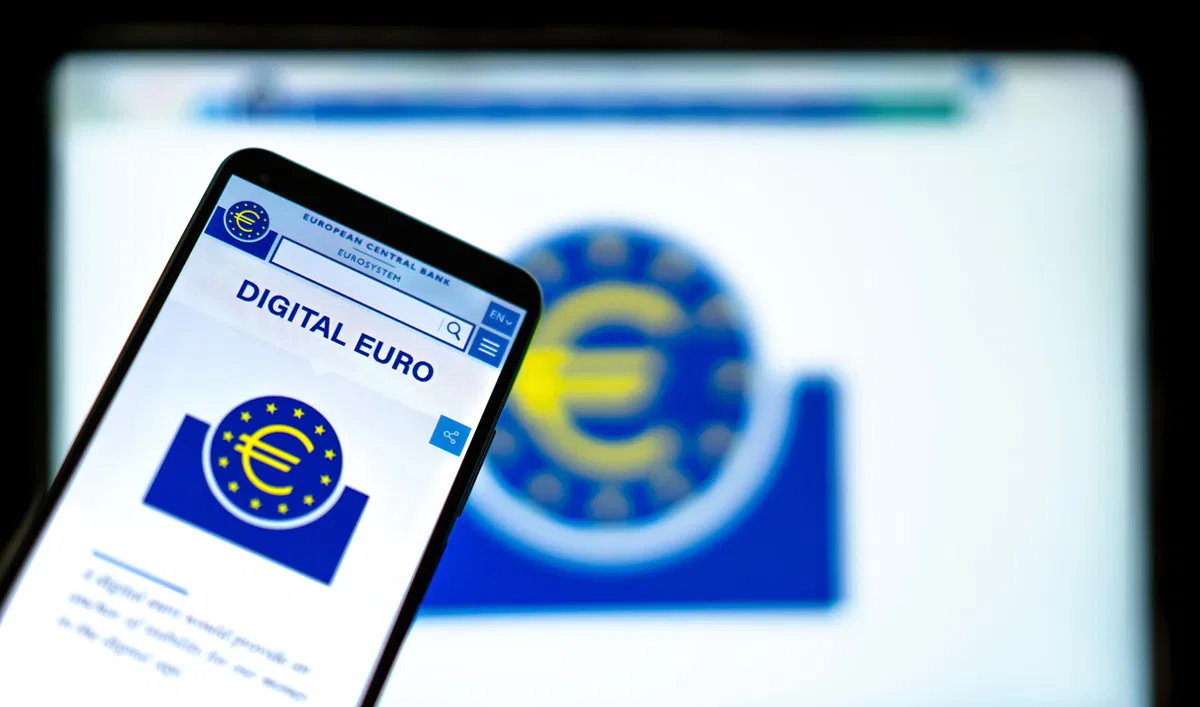
Digital Euro Launch 2026: Tracking Your Money or Protecting It?
💶 Cash 2.0 or Surveillance 1.0?
It is June 1st, 2026. You walk into a bakery in Paris for a croissant. You don't tap a Visa card (tracking you for American ad data). You don't hand over a crumbling paper bill (anonymous but dying).
You tap your phone, and a direct liability of the European Central Bank (ECB) moves instantly from your digital wallet to the baker's wallet.
No middleman. No fees. No waiting.
Technically, it is a triumph of financial engineering. Ideally, it is a restoration of monetary sovereignty for a continent reliant on foreign tech. But for privacy advocates, it is the beginning of a digital dystopia.
The official launch of the Digital Euro this month has triggered the fiercest debate in modern banking history: Are we trading our freedom for convenience?
🏦 What is a CBDC? (Hint: It's Not Crypto)
To understand the fear, you must understand the architecture. Most people think their money is already digital. It isn't. It is just a digital IOU from a commercial bank.
The Three Tiers of Money
1. **Private Bank Money (The Old Way)**: When you use a debit card, you are telling HSBC or Deutsche Bank to move a number on their private server. It is a promise to pay cash. 2. **Cryptocurrency (Bitcoin)**: Decentralized. No one controls it. It is censorship-resistant, but volatile. 3. **CBDC (The Digital Euro)**: Issued directly by the Central Bank. The State *is* the ledger. When you hold a Digital Euro, you don't have an account at a bank; you essentially have an account at the Federal Reserve/ECB.In this new system, the ECB technically has a god's-eye view of every single transaction occurring in the Eurozone in real-time.
🔒 The Privacy Promise: The "Offline" Gap
The ECB knows privacy is the #1 hurdle to adoption. Their solution is a hardware-based feature called "Offline Peer-to-Peer".
If you stay under €50 per transaction and keep your wallet offline (via Bluetooth or NFC between phones), the transaction is encrypted and anonymous, just like handing someone a €20 bill. The data stays on the chip.
The Trap (The "Honey Pot")
However, critics point out the flaw: You can only spend what you load. Once you go online to reload your wallet from your bank account, the metadata syncs. And for any transaction over €50, full Anti-Money Laundering (AML) checks apply.
Privacy advocates argue this is a gimmick: Great for buying gum or a newspaper, useless for living a private life. You cannot buy a car, pay rent, or donate to a controversial political party anonymously anymore.
🤖 The Fear: Programmable Money
This is the core of the Digital Euro privacy concerns. Because the money is code, it can be programmed with rules (Smart Contracts). This is something physical cash could never do.
The Theoretical Risks (The "Black Mirror" Scenario)
* **Expiration Dates**: In a deep recession, the ECB could issue "Stimulus Euros" that have an expiration date of 30 days. If you don't spend them, they vanish. This forces consumption but destroys savings. * **Carbon Limits**: Your money could literally stop working at a gas station if the wallet detects you've exceeded your monthly personal carbon allowance. * **Health Controls**: Money could be geo-blocked from purchasing sugary drinks, alcohol, or cigarettes based on your medical records.The ECB and EU legislators have legally denied any intent to use these features, stating the currency is "neutral." But the engineering reality remains: The *capability* exists in the code at the protocol level. Policy can change; the code is waiting.
🇪🇺 The Necessity: Why Build It?
If it's so risky and controversial, why is Europe spending billions to build it?
1. Sovereignty (The "Visa Trap")
Europe is currently addicted to American payment rails. **Visa, Mastercard, Apple Pay, and PayPal** process 80% of European digital payments. If the US were to sanction Europe, or if a cyberattack took down US networks, European commerce would freeze instantly. The Digital Euro is a defensive shield—a sovereign public payment rail that runs on European servers.2. The Crypto Shield
Central Banks are terrified of losing control of the money supply to private Stablecoins (like USDC or Tether) or decentralized Bitcoin. If everyone starts using USDC for daily trade, the Federal Reserve effectively runs Europe's economy. They need a state-backed digital competitor to stay relevant in the 21st century.🏁 Conclusion: The Golden Cage
The Digital Euro of 2026 is a masterpiece of fintech engineering. It is instant, free for citizens, and secure.
But it asks citizens to make a profound leap of faith: To trust the government not just with their laws, but with the very physics of their value.
Physical cash remains legal tender for now, but its usage is plummeting below 10%. The digital cage is being built; it's shiny, convenient, and efficient. The door is open. Will you walk in?
❓ Frequently Asked Questions (FAQ)
Can the government freeze my Digital Euros?
**Yes.** Unlike physical cash which you can hide under a mattress, a CBDC wallet can be frozen instantly by a central authority if you are suspected of a crime or non-compliance. There is no "bank run" possible because you cannot withdraw to cash easily. The "off switch" is centralized.Is physical cash being banned?
**No.** The legislation launching the Digital Euro legally protects the status of physical cash as legal tender. However, fewer merchants are accepting it due to the high costs of handling coins and bills. It is becoming a "use it or lose it" situation. You can use cash, but finding a shop that takes it is getting harder.How does this affect Bitcoin?
**Bitcoin becomes more valuable as a "check and balance."** As the official money becomes more surveilled and programmable, the demand for non-state, censorship-resistant money (Bitcoin) is expected to rise among privacy-conscious citizens. It becomes the "opt-out" button for the surveillance state.About the Author

Elena Corves
Dr. Elena Corves is a former Wall Street quantitative analyst who now leads the Business & Economy desk at Global Brief. She is a renowned voice on the 'End of Cash' transition, Central Bank Digital Currencies (CBDCs), and the emerging fractional gig economy. Elena's writing cuts through the jargon of high finance to reveal the human impact of macroeconomic trends. She is particularly focused on the rise of fintech in developing markets and the shifting dynamics of global trade routes. She holds a PhD in Economics from the London School of Economics.
Global Brief Intel
Source:
Continue Reading
Africa Fintech Boom: The Wakanda Effect in 2026
Nigeria's Flutterwave becomes the continent's first 'Decacorn' ($10B+ valuation) after IPO.

Amazon 'Prime Air' Goes Global: Drone Delivery Launches in 50 Cities
Amazon has officially expanded its Prime Air drone delivery service to 50 major metropolitan areas worldwide, including London, Tokyo, and New York.
The $25,000 EV War: How Tesla and BYD Are Flooding the Market in 2026
Tesla officially launches the highly anticipated 'Model 2' (Code Name: Redwood) at a base price of $24,990, finally reaching price parity with the Toyota Corolla.