
The Cure: FDA Approves First CRISPR Treatment for Type 1 Diabetes in 2026
💉 The End of the Needle
For 104 years, since the discovery of insulin in 1922, the life of a Type 1 Diabetic has been a relentless mathematical equation. Carb counting. Bolus calculations. Nighttime lows. Fear of complications. It was a life of *management*, not freedom. The needle was a tether that could never be cut.
On May 15, 2026, that equation was finally solved.
In a historic press conference, the FDA officially granted approval to InsulEdit, the world's first gene-edited cell therapy that functionally *cures* Type 1 Diabetes (T1D). It is not a better pump. It is not faster insulin. It is a biological reset button.
🧬 The Science: How Do You Fix a Broken Pancreas?
To understand the cure, you have to understand the disease. In Type 1 Diabetes, the body's own immune system mistakenly attacks the beta cells in the pancreas that produce insulin. It is an autoimmune civil war. Past attempts to transplant new cells failed because the immune system would simply recognize the invaders and kill them again.
The CRISPR Breakthrough:
Scientists at Vertex Pharmaceuticals, working with CRISPR Therapeutics, used CRISPR-Cas9 (Gene Editing) to modify donor stem cells with a specific superpower: Invisibility.
1. Cloaking: They edited the genome of the stem cells to delete the genes that code for the proteins the immune system targets (specifically MHC Class I and II receptors). Effectively, they put a "Harry Potter Invisibility Cloak" on the cells.
2. Differentiation: These blank, cloaked stem cells are chemically guided in a bioreactor to become fully functional Islet Beta Cells.
3. Implantation: The cells are infused into the patient's liver portal vein in a simple outpatient procedure.
The Result: The new cells set up shop in the liver, sense blood sugar levels in real-time, and release the exact amount of physiological insulin needed. The immune system marches right past them, unaware of their existence.
💰 The Price of Freedom: $2.1 Million
The miracle comes with a mortgage. Vertex has priced the therapy at $2.1 Million per patient.
This sticker shock has ignited a firestorm in Washington, but health economists argue it is actually a bargain.
* The Cost of Chronic Illness: Between insulin pumps ($8,000 every 4 years), continuous glucose monitors ($300/month), insulin vials, endocrinologist visits, and treating long-term complications (kidney failure, retinopathy, neuropathy), the lifetime cost of managing T1D is estimated at $2.5 million.
* The Math: A one-time payment of $2.1M is actually a *discount* for the healthcare system in the long run, not to mention the infinite value of quality of life.
> "We are front-loading the cost of a lifetime of health into a single day," argues Vertex CEO. "How much is it worth to never worry about your child dying in their sleep from hypoglycemia?"
The Insurance Battle
Major US insurers (Aetna, BlueCross, UnitedHealth) are currently in emergency negotiations. They are hesitant to pay such a massive lump sum upfront for a relatively new therapy.We expect the industry to adopt a "Pay-for-Performance" annuity model: Insurers will pay Vertex in installments of $400,000 per year for 5 years, but *only* if the patient remains insulin-independent. If the cure fails, the payments stop.
📋 Who Is Eligible?
The rollout will be slow and tiered. In 2026, the FDA has approved it for a narrow group:
* Patients aged 18-55.
* Those diagnosed with "Brittle Diabetes" (history of severe, uncontrollable hypoglycemic events and unawareness).
* Those with no active infections or history of cancer.
Children under 18—the demographic that parents are most desperate to cure—will have to wait for the conclusion of Phase 4 safety trials, which are expected to wrap up in late 2028.
⚠️ Ethical & Safety Concerns
While the target reflects a monumental win for humanity, editing human biological material is never risk-free.
* Off-Target Effects: The biggest fear with CRISPR is that the molecular scissors might cut the wrong DNA strand. Could the edits accidentally snip a tumor-suppressor gene? The FDA mandates 15 years of follow-up for all patients to monitor for long-term cancer risks.
* The "Designer Baby" Slippery Slope: If we can edit cells to fix a pancreas, can we edit them to enhance muscle mass or intelligence? The bioethics community is watching closely, fearing that InsulEdit opens the door to commercial genetic enhancement.
🏁 Conclusion
For the 9 million people worldwide living with Type 1 Diabetes, 2026 is the year the war ended. The struggle now shifts from the biological to the financial—ensuring that this technological miracle isn't just a boutique luxury item for the rich, but a standard of care for all.
❓ Frequently Asked Questions (FAQ)
Is this a cure for Type 2 Diabetes?
No. Type 2 Diabetes is primarily an issue of *insulin resistance*, not a lack of insulin. This therapy specifically replaces missing beta cells, which helps Type 1s. However, research is ongoing for Type 2 applications.Will I still need to wear a CGM?
For the first 6-12 months post-infusion, yes. Doctors need to monitor the graft's function closely. Once the cells are proven to be stable and regulating sugar perfectly, patients can throw their sensors in the trash.Can the cells die over time?
It is possible. In clinical trials, the cells have remained functional for 5+ years, but we don't have 20-year data yet. It is possible that patients might need a "booster" infusion after a decade.About the Author

Sarah Vance
Sarah Vance is a former Systems Architect turned senior technology journalist, bringing over 15 years of industry experience to Global Brief. Based in San Francisco, she specializes in decoding the post-silicon era, covering breakthrough developments in quantum computing, neural interfaces, and the ethical implications of Artificial General Intelligence (AGI). Her work has been cited by major tech think tanks, and she is a frequent speaker on the 'Human-in-the-Loop' philosophy. When not writing, Sarah is an amateur astronomer and an advocate for open-source AI safety protocols.
Global Brief Intel
Source:
Continue Reading
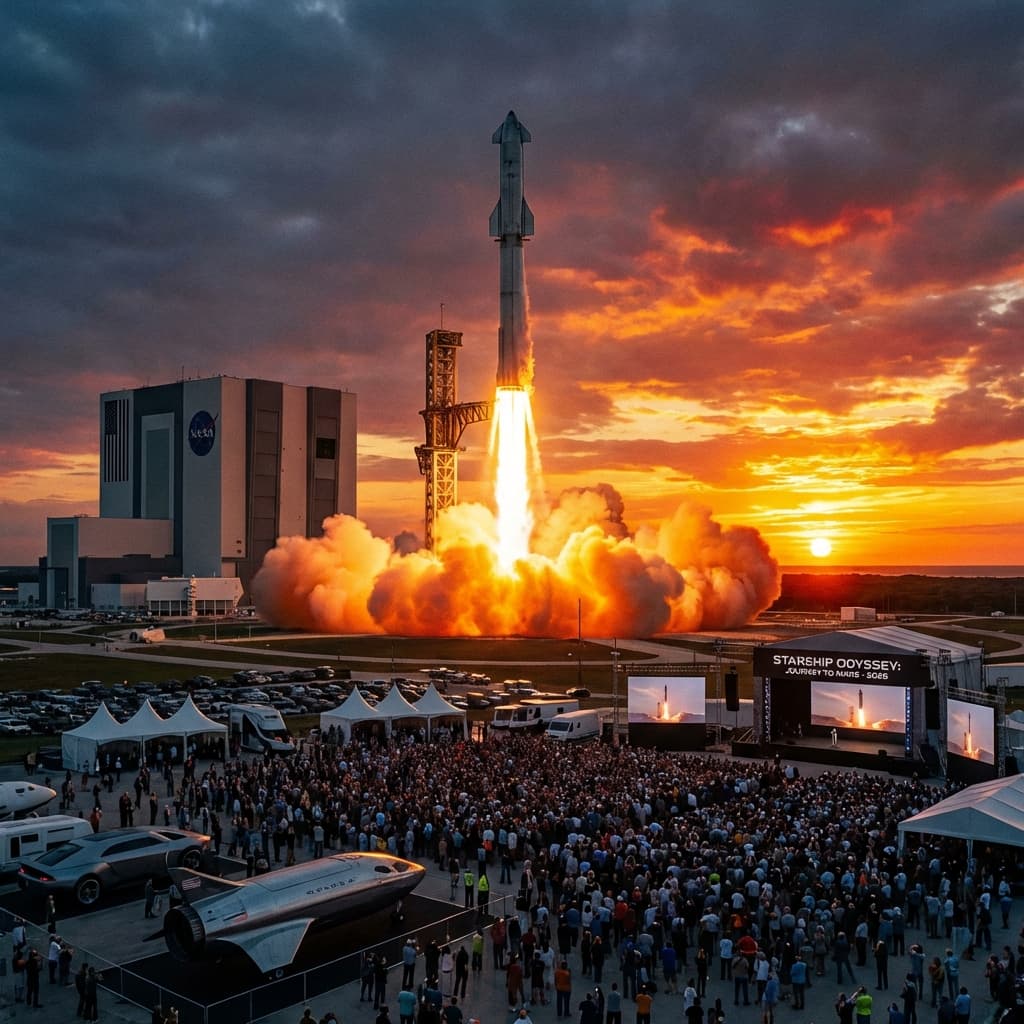
SpaceX Starship 'Odyssey' Departs for Mars: A New Era for Humanity Begins
The first civilian colony ship 'Odyssey' has successfully launched from Kennedy Space Center.

6G Networks in 2026: The Terahertz Revolution Changing Everything
6G trials in 2026 demonstrate speeds of 1 Terabit per second (100x faster than 5G).

The Loneliness Epidemic: Why 1 in 3 People Have an AI 'Partner' in 2026
A staggering 35% of adults under 30 now report having a 'significant emotional connection' with an AI entity, driven by advanced voice-mode capabilities.